
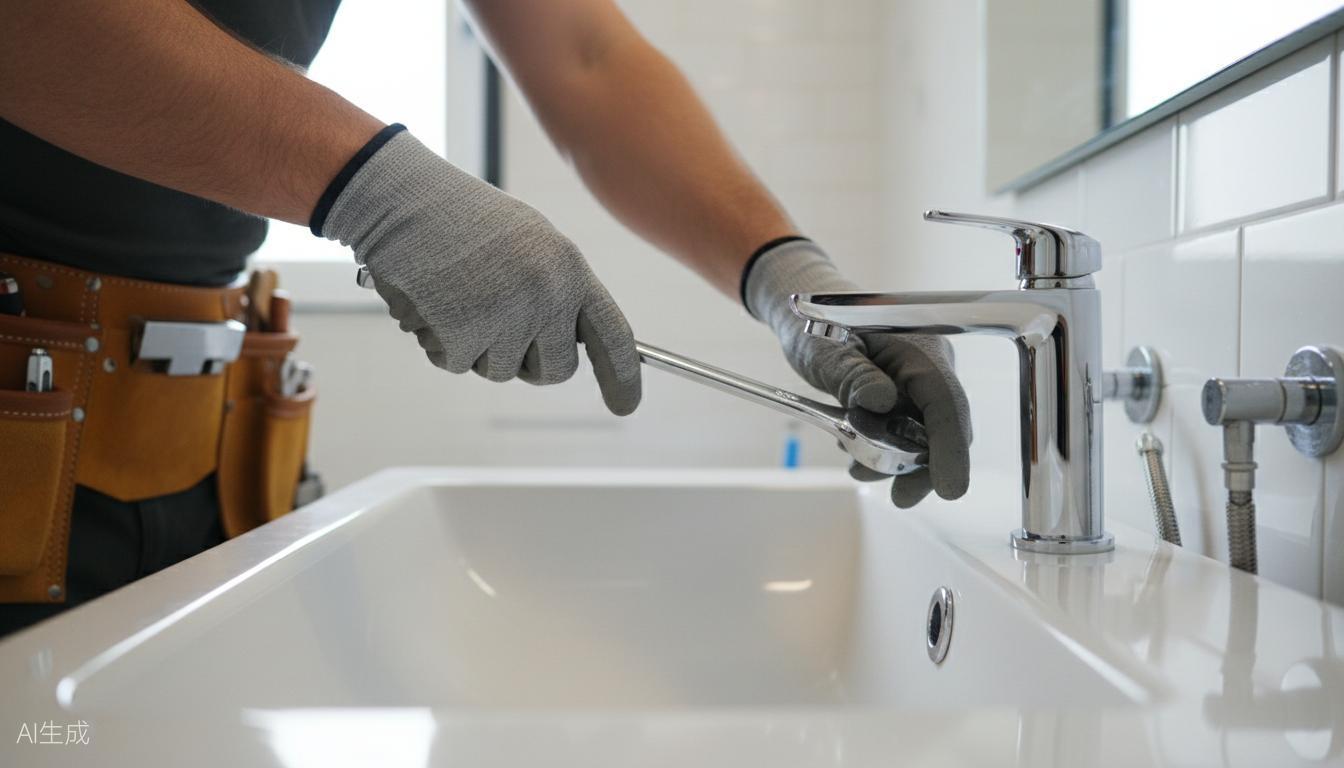
A faucet that is installed correctly will last decades. The same faucet installed poorly may fail within months. Over fourteen years in this industry, we have seen installation quality make more difference than brand, price, or material in determining long-term satisfaction. These are the practices our technical team insists on.
Proper sealing starts with surface preparation. The mounting surface must be clean, flat, and dry. Any old putty or debris will create gaps where water can seep. We recommend using silicone-based sealant rather than plumber putty for deck-mounted installations, it creates a more watertight bond and will not degrade over time.
Water pressure regulation is the single most overlooked factor in faucet longevity. Pressure above 80 PSI will damage cartridges, cause seals to fail prematurely, and create the dripping that drives homeowners crazy. Always install a pressure regulator if municipal supply exceeds 60 PSI, and test pressure at the fixture location, not just at the main.
Material pairing matters more than most realize. Connecting dissimilar metals without dielectric isolation will cause galvanic corrosion. This is most commonly seen when brass faucets are connected directly to galvanized steel supply lines. Use appropriate isolation fittings or transition to PEX or copper before the fixture connection.
Finally, take the time to flush supply lines before connecting the faucet. Construction debris, solder fragments, and mineral deposits in new plumbing will destroy a cartridge in days. Remove the aerator, run water for 60 seconds, then reinstall. This five-minute step prevents countless warranty claims.
A faucet that is installed correctly will last decades. The same faucet installed poorly may fail within months. Over fourteen years in this industry, we have seen installation quality make more difference than brand, price, or material in determining long-term satisfaction. These are the practices our technical team insists on.
Proper sealing starts with surface preparation. The mounting surface must be clean, flat, and dry. Any old putty or debris will create gaps where water can seep. We recommend using silicone-based sealant rather than plumber putty for deck-mounted installations, it creates a more watertight bond and will not degrade over time.
Water pressure regulation is the single most overlooked factor in faucet longevity. Pressure above 80 PSI will damage cartridges, cause seals to fail prematurely, and create the dripping that drives homeowners crazy. Always install a pressure regulator if municipal supply exceeds 60 PSI, and test pressure at the fixture location, not just at the main.
Material pairing matters more than most realize. Connecting dissimilar metals without dielectric isolation will cause galvanic corrosion. This is most commonly seen when brass faucets are connected directly to galvanized steel supply lines. Use appropriate isolation fittings or transition to PEX or copper before the fixture connection.
Finally, take the time to flush supply lines before connecting the faucet. Construction debris, solder fragments, and mineral deposits in new plumbing will destroy a cartridge in days. Remove the aerator, run water for 60 seconds, then reinstall. This five-minute step prevents countless warranty claims.